How to Help Your Anxious Child Ease Into the New School Year
It always starts the same way......
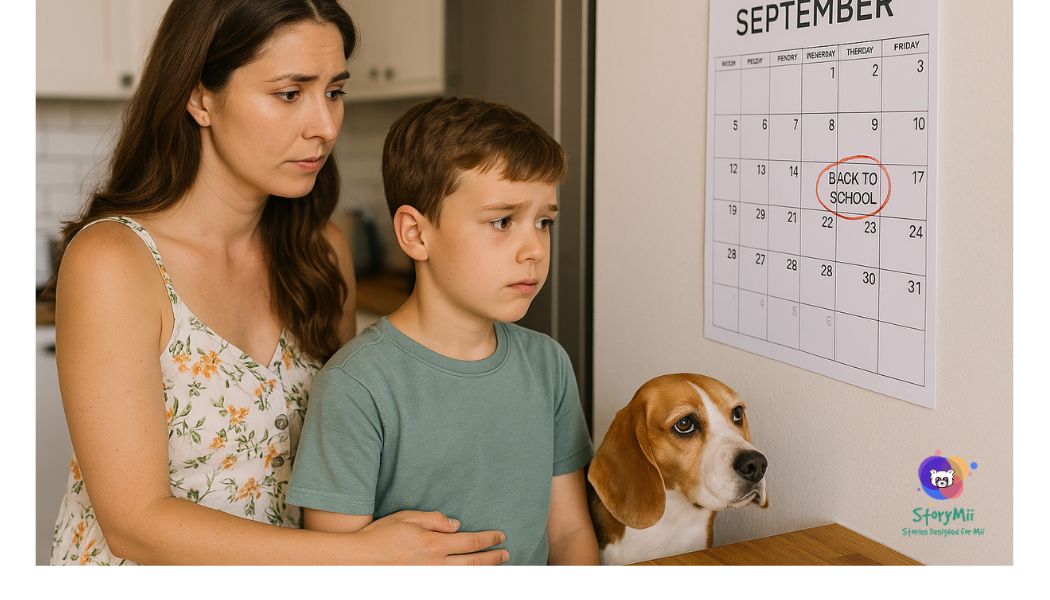
You mention school is around the corner and your child’s shoulders sink. Maybe they go quiet. Maybe they ask if you can homeschool “just for this year.” Maybe their stomach “hurts” every morning the week before.
Back-to-school anxiety is incredibly common, especially after a summer of flexible routines, family closeness, and emotional freedom. But knowing it’s common doesn’t make it easier to handle — for your child or for you.
Whether your little one is just starting school or heading back after a tough year, this blog will walk you through practical, science-backed strategies to help your child feel safe, seen, and supported.
🧠 Why Back-to-School Anxiety Happens
Children thrive on routine — but changes in those routines can trigger anxiety.
Heading back to school means:
- New teachers
- Social pressures
- Academic expectations
- Being separated from home, comfort, and parents
All of this can feel overwhelming, especially for kids who are already sensitive or have experienced anxiety in other areas.
According to the Child Mind Institute, school-related anxiety can manifest as stomach aches, clinginess, irritability, or even refusal to go to school (source.)
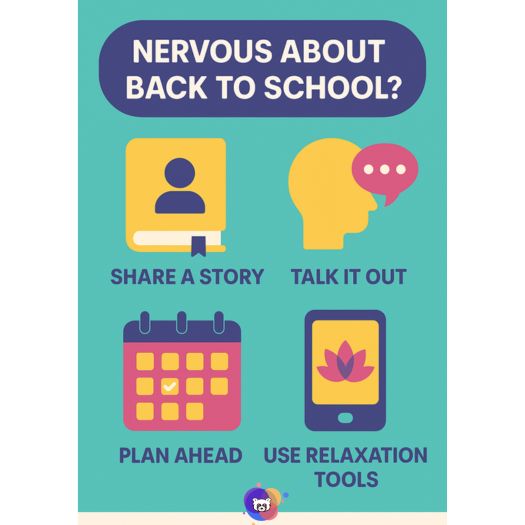
📘 Tell a Story They Can See Themselves In
One of the most powerful ways to help a child process emotions is through storytelling.
At StoryMii, we’ve seen how transformative it can be when a child builds a character that looks like them, feels like them, and faces the same tough emotions they’re dealing with.
You can create a story where:
- The main character is nervous about starting school
- They feel unsure or shy — just like your child
- But they learn strategies (breathing, asking for help, staying brave) that help them succeed
When kids see themselves in a story, they feel understood. It creates a safe mental space to imagine coping — and succeeding.
And because your child helps create the story, they feel a sense of control. That’s key when anxiety comes from feeling powerless.
📅 Start a Countdown — But Keep It Light
Time is an abstract concept for kids. So don’t just say, “You have two weeks until school.”
Instead:
- Print a calendar and mark off days with stickers
- Include fun plans — like back-to-school shopping or one last ice cream outing
- Read a StoryMii book together each day that builds confidence or emotional readiness
Rituals create reassurance. The more predictable and positive the ramp-up to school is, the more emotionally safe it feels.
🧰 Use Calming Tools That Really Work
When kids are anxious, they need emotional tools — not lectures. Here are some proven techniques:
- The Worry Box: Let your child write or draw their worries and “store” them in a decorated box. This externalizes anxiety and gives it boundaries (Psychology Today)
- Visualization: Have them close their eyes and imagine their classroom as a safe, happy place — full of friendly faces and good smells
- Body-Based Regulation: Try deep “bubble breaths,” finger tracing, or jumping jacks to release anxious energy
- Empathy Phrases: Instead of saying “You’ll be fine,” say “It’s okay to feel nervous. Lots of kids do.” That validation matters.
Bonus: You can build many of these calming techniques into a custom StoryMi story and use it as a gentle daily practice.
🗣 Talk Through the What-Ifs
Sometimes anxiety hides in what-if questions:
- What if I don’t know anyone?
- What if I get lost?
- What if I miss you?
You don’t need to have perfect answers. Just listen, then explore the solution together. You might say:
“That’s a good question. Let’s think through what you could do if that happens.”
This builds problem-solving confidence — a powerful antidote to fear.
❤️ Remind Them They're Not Alone
Whether it’s a bedtime story, a morning hug, or a sticky note in their lunch box, the biggest buffer against school anxiety is knowing they’re loved — no matter what.
In fact, research from Harvard’s Center on the Developing Child shows that one stable, supportive relationship is the most important factor in helping children build resilience (source).
And you're that person.
Final Thought 💬
Back-to-school anxiety doesn’t mean something is wrong with your child — it means they care, they feel, and they’re growing.
With just a little planning and the right emotional tools, you can help them turn nervous energy into confidence, connection, and courage.
So as the backpacks come out and the alarm clocks get set, let’s meet this season not with fear — but with stories, support, and strength.
You’ve got this. And so do they.